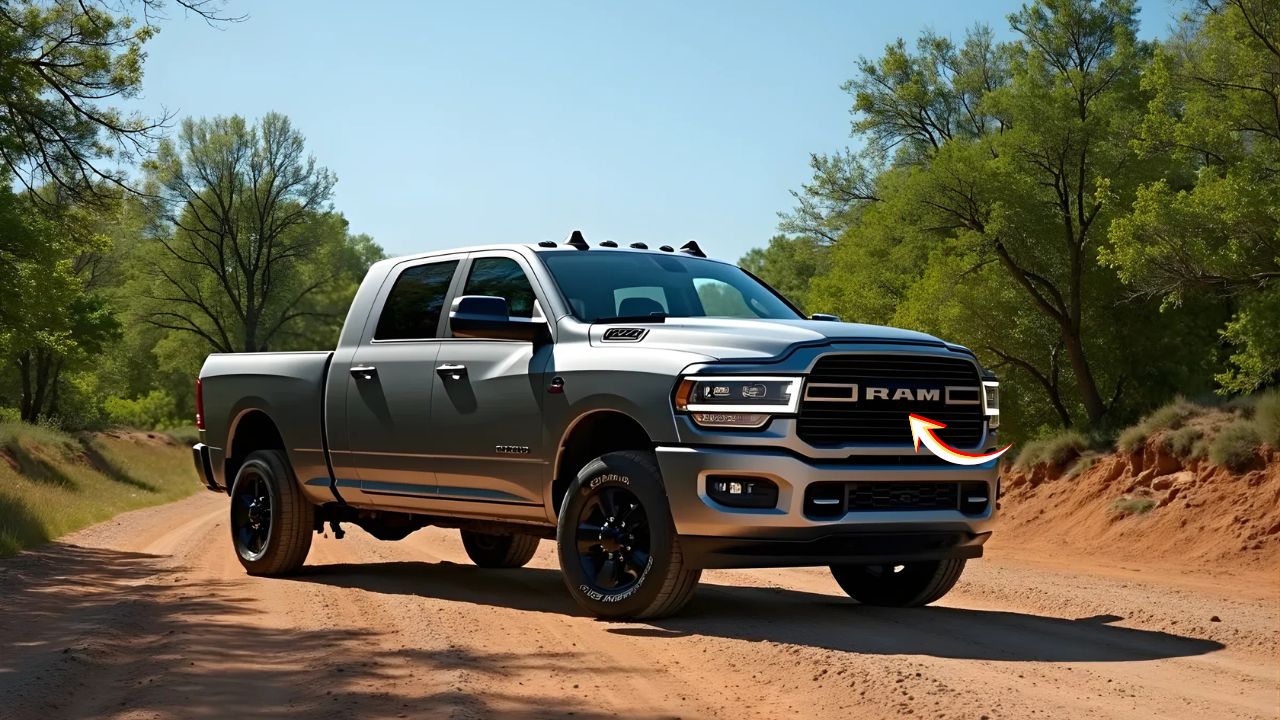
The European automotive industry is witnessing a significant shift as two major car manufacturers, Toyota and Stellantis, plan to withdraw from the EU CO₂ pool centered around Tesla in 2026. This development could reshape how automakers manage emission targets in the European market and may also affect Tesla’s regulatory credit income.
Understanding the EU CO₂ Pool System
In the European Union, automakers must meet strict carbon dioxide emission targets for their vehicle fleets. To help manage these targets, manufacturers can form what are called CO₂ pools. In such arrangements, multiple companies combine their fleets into one large group for regulatory calculations.
This system benefits companies that sell more electric vehicles. Manufacturers with large EV lineups, such as Tesla, produce significantly lower emissions and can offset the higher emissions of other companies in the pool. In return, companies that struggle to meet the targets typically pay fees to join the pool. These payments are often cheaper than the heavy fines the EU imposes on companies that exceed emission limits.

For several years, Tesla’s pool has included major brands such as Ford, Mazda, Honda, Toyota, and Stellantis. However, the pool structure is expected to change starting in 2026.
Why Toyota Is Leaving the Tesla Pool
Toyota’s decision to leave the Tesla pool appears to be based on confidence in meeting its own emissions targets independently. The company has long relied on hybrid technology, which significantly reduces fleet emissions compared to traditional gasoline vehicles.
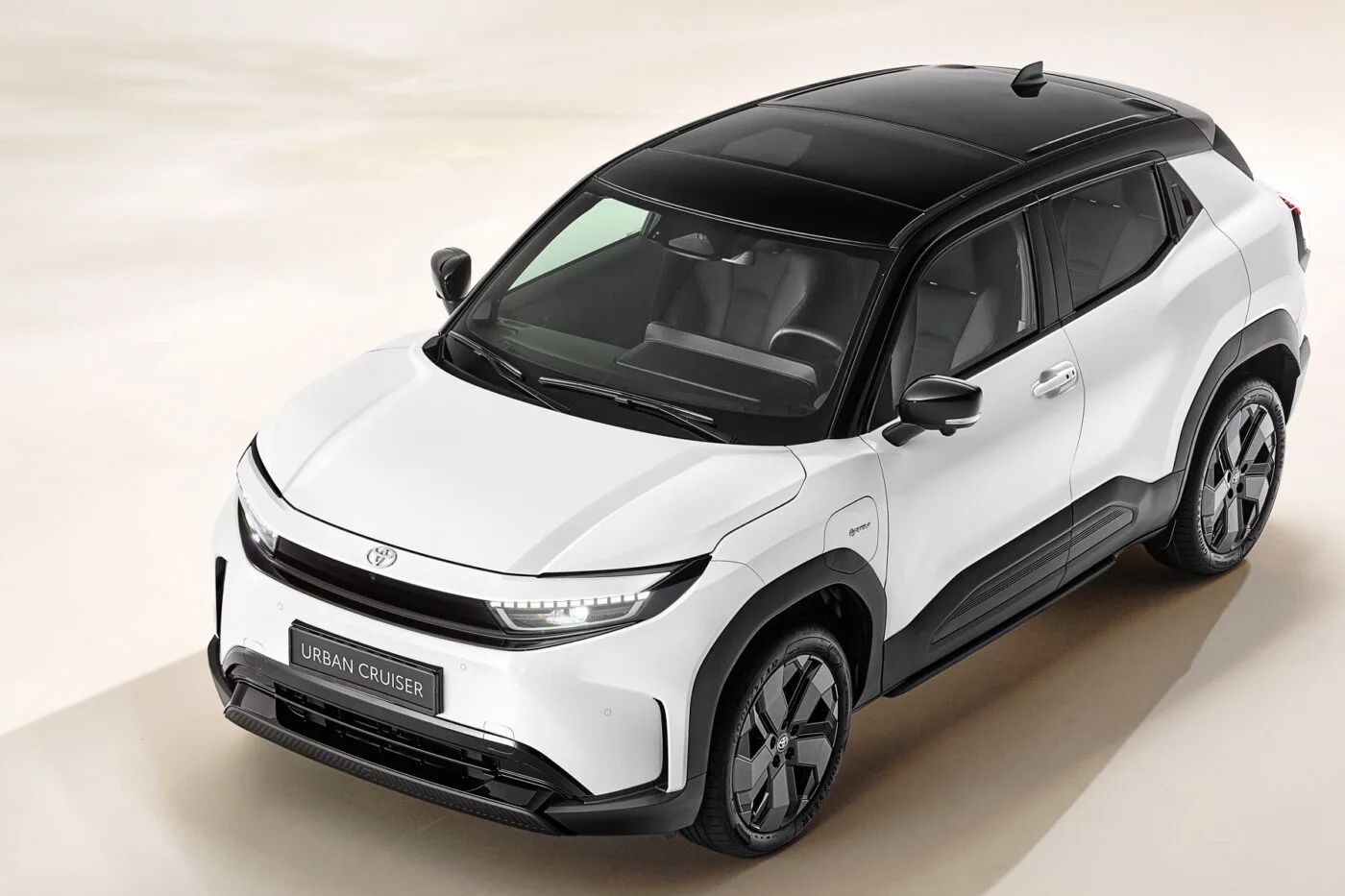
According to industry forecasts, Toyota is expected to meet its EU fleet target of about 96.3 grams of CO₂ per kilometer almost exactly. In addition, Toyota is expanding its electric vehicle lineup in Europe. New models such as the Urban Cruiser EV and strong sales of the bZ4X in some markets are expected to increase the company’s share of battery-electric vehicles in the coming years.
यह भी पढ़े:
 2026 Yamaha MT-15 Bike Launch: New Design, Features, Comfort, Performance with Full Details
Because of this progress, Toyota’s European division likely believes it can remain compliant with EU rules without participating in Tesla’s emission pool.
Stellantis Exploring Its Own Strategy
Stellantis, which narrowly missed its CO₂ target in 2025 forecasts, is also preparing to leave the Tesla pool. However, the company may rely on its partnership with electric vehicle manufacturer Leapmotor.
Leapmotor produces mostly battery-electric vehicles, which could significantly reduce the combined emissions of a Stellantis-Leapmotor fleet. Production of the Leapmotor T03 is also expected to begin at a Stellantis plant in Spain later in 2026, helping avoid import tariffs and strengthening the partnership.

At the same time, Stellantis has been shifting its strategy by reviving some diesel engines in Europe while also expanding its EV technology. How this balance will affect its future emissions performance remains uncertain.
What This Means for Tesla
If Toyota and Stellantis leave the pool, Tesla could lose two important financial contributors. Automakers in the pool typically pay Tesla to benefit from its low-emission fleet, creating a source of regulatory credit revenue.
However, Tesla has already indicated that income from emissions credits is becoming less significant globally. Additionally, the final composition of EU CO₂ pools for 2026 will not be confirmed until December, meaning companies still have time to reconsider their decisions.
यह भी पढ़े:
 2026 Maruti Brezza Launched with 1.5L Petrol Engine and Efficient Mileage Starting at ₹6.26 Lakh
Disclaimer
This article is based on industry reports, analyst forecasts, and publicly available information about EU emissions regulations and automotive strategies. Final decisions regarding CO₂ pooling arrangements and regulatory outcomes may change as companies finalize their plans later in the year.